Save $20 on your first massage!


Now open in Doolandella, South West Brisbane!
Tailored remedial massage treatments to ease your pain and restore balance.
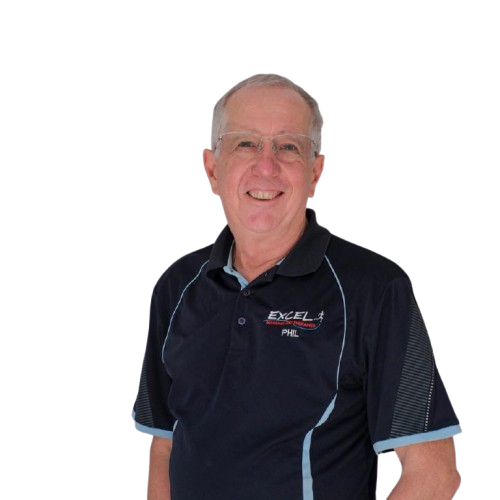

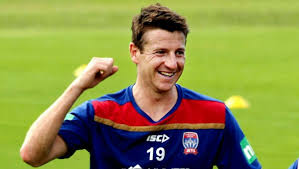
With over 20 years experience, Phil Byrnes has proudly provided massage services to many professional sports people, including players from the Brisbane Lions, Newcastle Knights and Newcastle Jets Football Teams.
Our services are highly sort after and are aimed at getting both the professional and amateur sports person back out onto the playing field faster.
Whether you are a local sports person wanting a regular massage service or a visiting sports team needing pre-game or post game services, let the professionals assist you.
Serving the Doolandella, Inala, Sunnybank, Forrest Lake and South West Brisbane region with quality professional in home, office or event massage services.
Our Studio is located at
26/25 Paddington St Doolandella QLD
(by Appointment only)
We offer a large range of massage services, including Remedial Massage, Sports Massage, Rehabilitation Massage, Swedish Massage, Corporate and Event Massage and of course, relaxation massage.
Excel Massage and Therapies


Remedial & Sports Massage
Remedial & Deep Tissue
Focused pressure to release chronic muscle tension and knots. All Qualified and Experienced Therapists.


Relaxation and Group
Gentle strokes designed to calm your mind and soothe your body. We provide group relaxation massage to parties. Save on individual spa fees!
Custom sessions targeting your unique areas of discomfort. We help both professional and amature athletes to perform at their best.
Sports



"The best massage I've ever had to get my muscles back into shape"
Ruth S, Triathlete


"Everything was perfect. The above and beyond you provided was wonderful and it shows that you love what you do|
Megan


★★★★★
★★★★★
Need help right now?
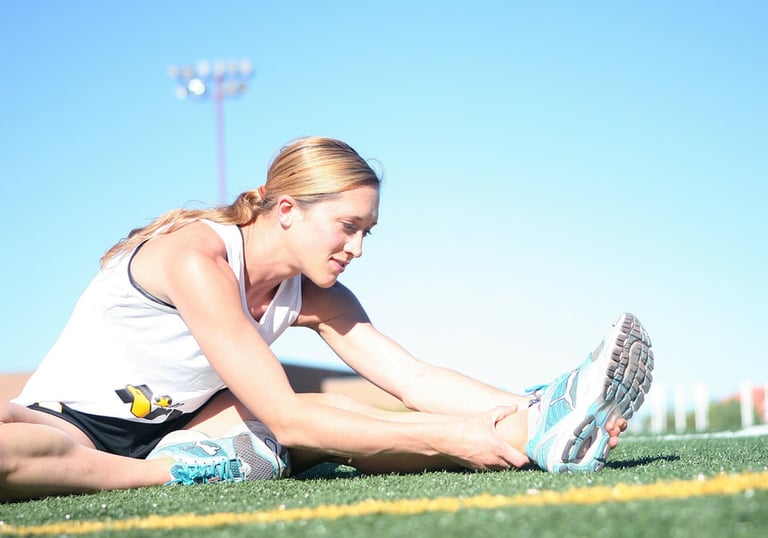
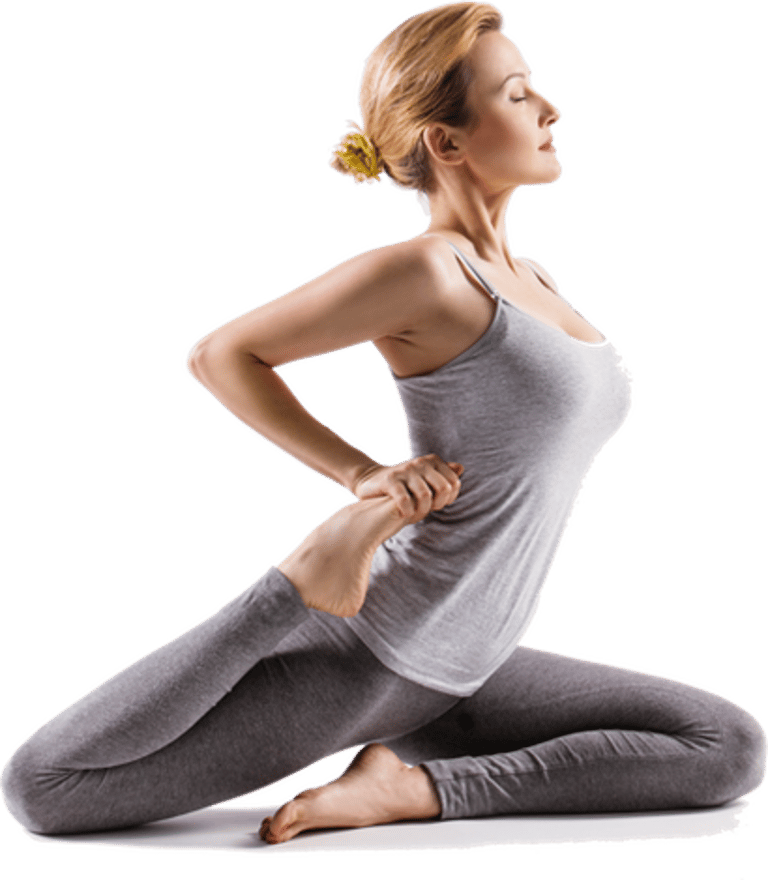
Get Neck and Shoulder Pain Relief with these exercises


What Makes us Different?
Locally owned company with Fast, Friendly and Personal customer service
Qualified and Experienced Staff (Diploma of Remedial Massage with Distinction)
Accredited with the Australian Traditional Medicine Society
Central Location Convenience
Outstanding Value for Money
We are a Registered Health Fund Provider
NIB, Australian Unity, Bupa, CBHS, HCF, Medibank and more Funds. and more funds.
(Health Fund Rebates are available depending on your policy).
We also support assist NDIS clients, speak to us for more details.











How can Remedial Massage Help you?
Do you live with constant or recurring pain? It can be both crippling and frustrating as you can no longer do the things you loved to do. Playing with the kids or grand kids, working under the car, playing tennis with friends, movement makes our life fun. So when we are stopped from doing this with deliberating pain it can put the brakes on life.Thankfully there is a solution. Excel Massage Doolandella is a qualified and experienced remedial massage therapist who is skilled in targeting and relieving pain. We are certified with all the major health funds and are a flexible and affordable solution.
So why chose Excel Massage? Being based in Doolandella QLD, and previously from the Hunter Valley NSW, our massage therapist Phil Byrnes has experience in massaging everyone from Newcastle Jets and Newcastle Knights players to workers with chronic back pain who want to continue working. Phil is skilled in discovering the real source of your problem and then tailoring a massage solution to target the root cause. A typical massage session will begin with a discussion about your history and an examination of the problem area. After working out where the pain is radiating from, Phil then gets to work in releasing the knots and re-positioning your muscles back into their correct position.
Phil is very flexible with both time and location for your massage. He has a professional massage table and can perform a full back massage in your choice of location either at home, or in his comfortable studio.
As well as routine pain relief, Phil specialized in sports massage to keep you at your peak performance. If you need an edge to help keep you fit and mobile on the sporting field, Excel Massage can help.
Are you still thinking about whether to use a qualified remedial massage therapist or a physiotherapist? Check out this info about a Sunnyside Physiotherapist today. Call Phil Today to make an appointment.
Do you have some questions? Contact Phil by Email:
phil@excelmassage.com.au

"I actually slept without pain for the first time in ages. Thank you so much."
John V, Bricklayer


"Phil, you are VERY good. Thanks mate!"
Michael Bridges, Newcastle Jets Player